This post may contain affiliate links. Please read our disclosure policy.
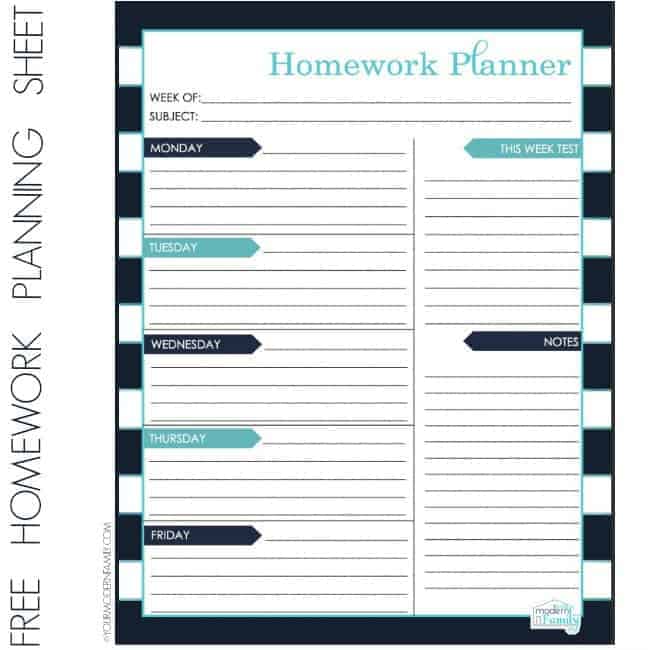
I get a lot of emails and messages from parents asking, “How can I help my child with their homework without giving them the answers?” As a former teacher, I also heard this question in the classroom. Helping your child with homework can feel tricky. You try to support them with things like printing out this FREE homework planner they can use and telling them the importance of studying, but it can feel frustrating and stressful if they don’t understand.
So, how can you help with homework without doing it for them? This is an important question and concept because if you do the work for them (by telling them the answers), you aren’t teaching them, and they aren’t learning what they need to learn. Your goal is to help them become independent and confident in their ability to do it WITHOUT you. You can do this by guiding them toward finding the right answer, etc.
The answer is to give them the tools and strategies to help them figure it out independently. This is when they will truly succeed and have the confidence to try it again (which leads to them doing it independently.)

The Goal of Independence (and why it’s important)
Children thrive when they feel capable and confident in tackling challenges independently. Homework is an excellent opportunity for them to practice responsibility, problem-solving, and perseverance.
- Why independence matters: When kids learn to manage their homework, they also learn critical life skills like time management and self-discipline.
- Your role: Think of yourself as a coach, not a teammate. Offer guidance, answer questions, and help them brainstorm, but let them take the lead. Don’t pick up their slack, and don’t just give them the answers (even though it may seem easier at the time.)
First Things First: Have a Space for Homework
A dedicated, organized workspace can make a big difference in your child’s focus and productivity. This picture is our space (here is our tutorial for our DIY Ikea Homework station)
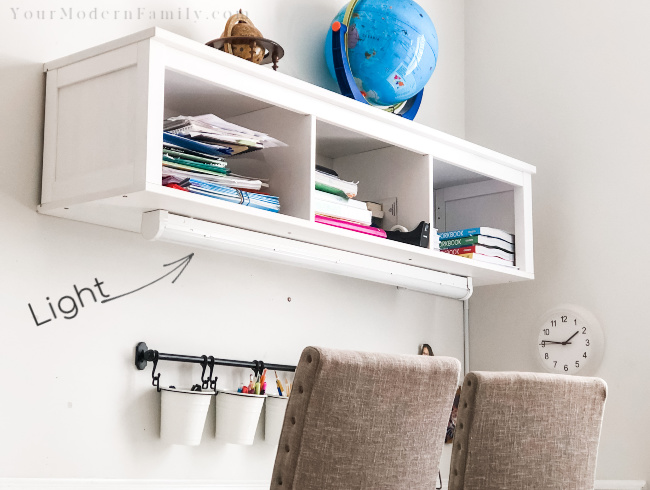
- Design the space together: Let your child have a say in creating their homework area (Grab any pens, pencils, etc. that they want in this space.) This gives them ownership and makes the space feel special.
- Minimize distractions: Keep the area free from unnecessary gadgets, toys, or interruptions. Consider a soft timer or calming background music to help them stay on track.
- Stock up on essentials: Have supplies like pencils, highlighters, calculators, and paper readily available. For older kids, consider tools like a whiteboard and sticky notes for brainstorming or planning assignments.
Tools and Strategies to Support Learning
Supporting homework looks different at every grade level. Here’s how you can tailor your approach:
Grades K-3: Building Foundations
- HANDS ON:
Younger kids learn best with tactile activities. Use objects like blocks for math or make flashcards together for spelling practice. - STUDY IN NEW WAYS:
I used this trick when helping our kids learn their spelling words. - SHORT SESSION: Younger children often struggle with focus for long periods of time. Remind your child that doing a little bit (or studying for a few minutes) each day is much easier (and more pleasant) than trying to do/learn everything the day before it’s due.
- SNEAK IT IN:
Incorporate what they are learning into daily life. For example, if your child is learning about money, let him/her pay at the store, etc.
Grades 4-8: Developing Critical Thinking
- BUILD PROBLEM-SOLVING SKILLS
Teach your child to ask themselves, “What do I know about this?” or “What’s the first step?” This builds problem-solving skills. - USE A PLANNER:
Pick up a small planner or order a small homework planner on Amazon. Then, show your child how to write down each item that needs to be done. Teach them how to use it during the day. Now for the important part: Teach them how to prioritize tasks (Is there a big project coming up? Which item is due first? Which will take the most time?) - GIVE FEEDBACK INSTEAD OF ANSWERS:
For essays or projects, let them explain their ideas to you. Sometimes, talking it out helps clarify their thoughts.
Grades 9-12: Refining Skills and Accountability
- ORGANIZATION MATTERS:
High schoolers often juggle multiple subjects. Show them how to create checklists or use productivity tools like Google Keep, Notion, or a paper homework planner designed for high schoolers. - GUIDE THEM:
When they’re stuck, resist the urge to give answers. Instead, ask questions that guide them toward solutions, like “What does the textbook say about this?” - CONNECT HOMEWORK TO REAL LIFE:
Relate assignments to real-life skills. For instance, figuring out percentages in your mind will help you when you are shopping & need to figure out the sale price or when you are out to eat and need to leave a tip.
Motivating Your Child Without Adding Pressure
Homework can sometimes feel overwhelming, but your encouragement can make a big difference.
- Focus on EFFORT, not results: Praise their hard work, even if the outcome isn’t perfect. This builds a growth mindset.
- Use rewards wisely: Celebrate milestones of hard work with small, non-material rewards like extra playtime or a family game night.
- Be patient: Some days will be harder than others. When your child is upset or stressed out because of an assignment, remind your child that it’s okay to feel frustrated and that every mistake is an opportunity to learn.
Use the School’s Resources
If your child consistently struggles with homework, it might be time to message their teacher and ask, “How can I help my child with homework?” or “Does the school have any resources?” Most schools offer resources like these:
- FREE TUTORING:
Most middle and high schools offer free tutoring after school. - ONLINE TOOLS:
Many schools have access to free online tools or memberships that can help. - BE PROACTIVE:
If homework is becoming a source of stress for your family, discuss potential adjustments, like modified assignments or extra practice materials
Helping your child with homework doesn’t mean solving every problem for them. By encouraging and fostering independence, creating a supportive environment, teaching them strategies, and giving them the right tools, they’ll soon be confident enough to do the work themselves, knowing they can come to you if they get stuck.
Remember, the goal isn’t just to complete the homework—it’s to teach them how to learn, grow, and succeed independently (because that’s a skill they’ll need their entire lives.)
MORE HELPFUL POSTS:
Ultimate List: Free Educational Websites for Kids